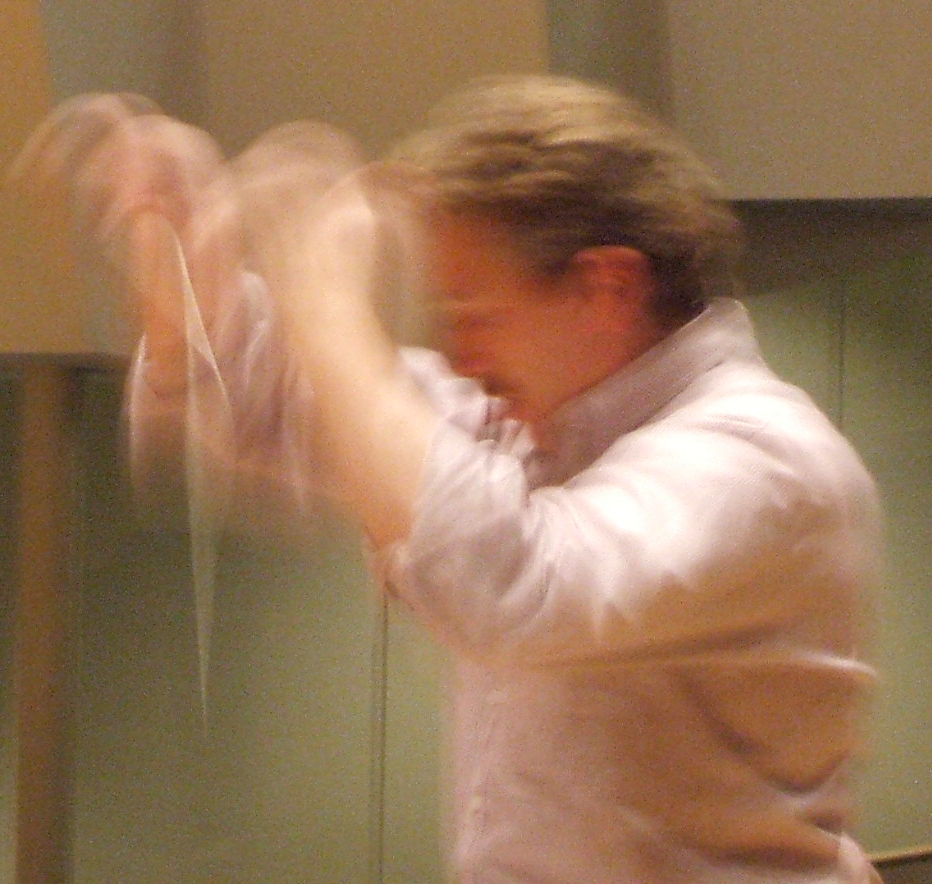
 Composer Lance Hulme has a multi-faceted career as keyboardist, conductor, arranger and educator. His music has been performed throughout the U.S., Europe, Asia and South America and has garnered both critical and audience acclaim. Recordings of his music include compact disk releases on the Albany, Bridge, LiveNotes, Ablaze and Métier labels (see CDs). His music is published by Donemus Publishing.
Critics have described Hulme as a “chameleon composer” (Gilles Quental). “A craftsman with a fine ear and a formidable technique” (Classical Voice North Carolina) whose musical oeuvre encompasses a “wide range” (Knowing the Score) of musical genres and styles. His music “cannot be pigeon-holed into one compositional school” (Die Badische Neueste Nachrichten) but rather draws upon the diverse elements of his musical experience to “weave a rich expressive texture.” (Die Rheinpfalz Zeitung) He “reflects the ambience and musical approach of the North American musical tradition. Compositional eclecticism, a conscience, playful and uninhibited attitude with tradition and the crossover between ‘serious’ and vernacular music. All these elements are to be found as well as the most advanced structural and aural techniques” (Die Rheinpfalz Zeitung).
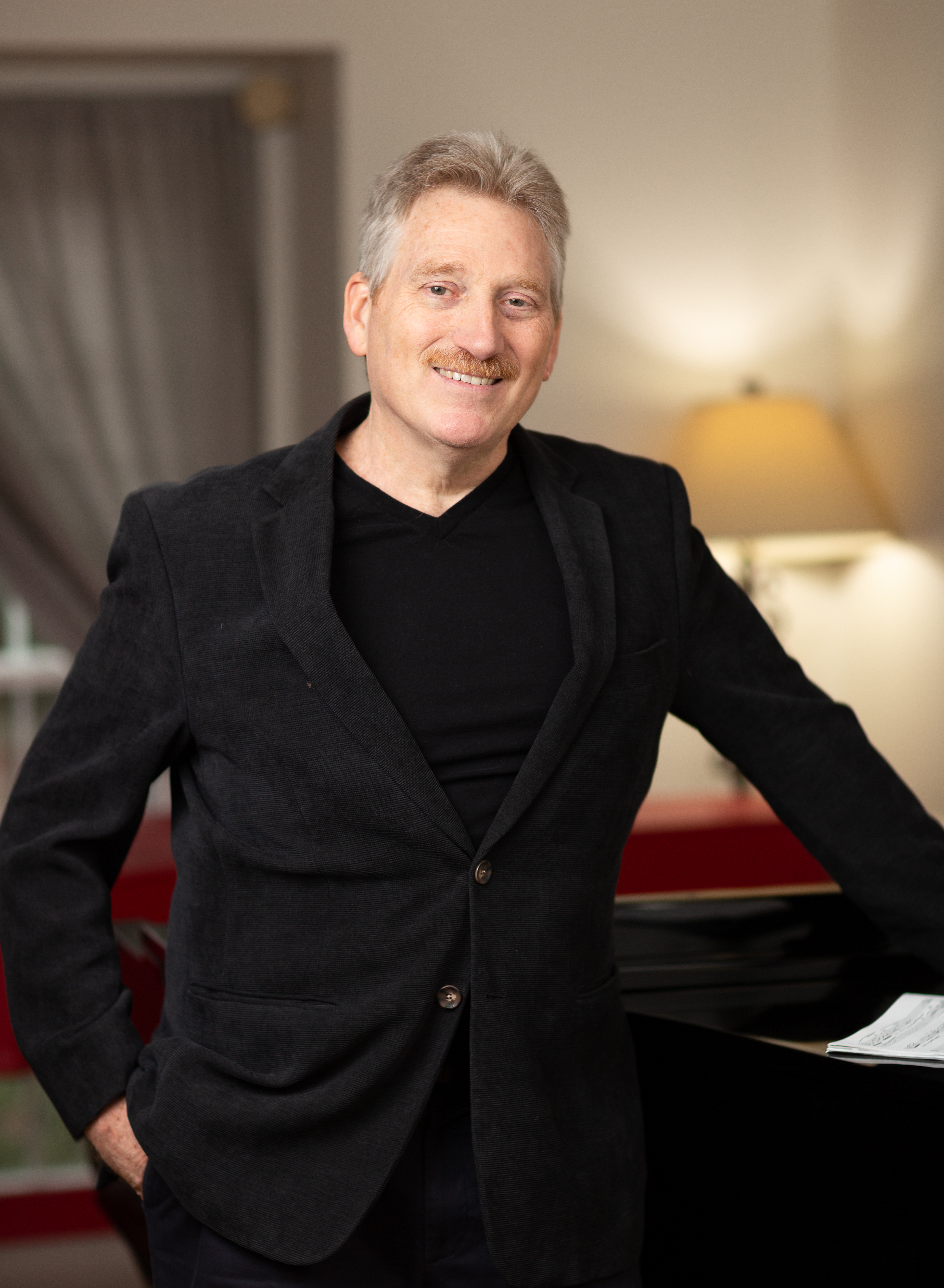 Hulme’s music has won many awards including Grand Prize, International Witold Lutoslawski Composition Competition, 1st Prize, ASCAP/Rudolf Nissim Prize, Grand Prize, International Trumpet Guild Composition Competition and awards from the Composición Musical Cuitat de Tarragona, Citta di Trieste Orchestra Competition and the Ladislav Kubik Composition Competition. Most recently, he was awarded First Prize, 2021 Malta International Composition Competition. Notable performances and commissions include Warsaw Philharmonic Orchestra, the Tokyo Philharmonic Orchestra, Southern German Radio, the State Theater of Baden, the State Orchestra of Magdeburg, West German Radio, the Karlsruhe University Chorus, the Raschèr Saxophone Orchestra, Quattro Mani, the Henschell Quartet and others. His compositions have been presented at ISCM, Warsaw Autumn, Eastern Music Festival and Aspen Summer festivals. He has been a fellow at the MacDowell Colony and was awarded a two-year Fulbright Grant to Austria.
Lance Hulme studied at the Yale University School of Music, the Eastman School of Music and the University of Minnesota and he also studied at the Universität für Musik in Vienna, Austria.
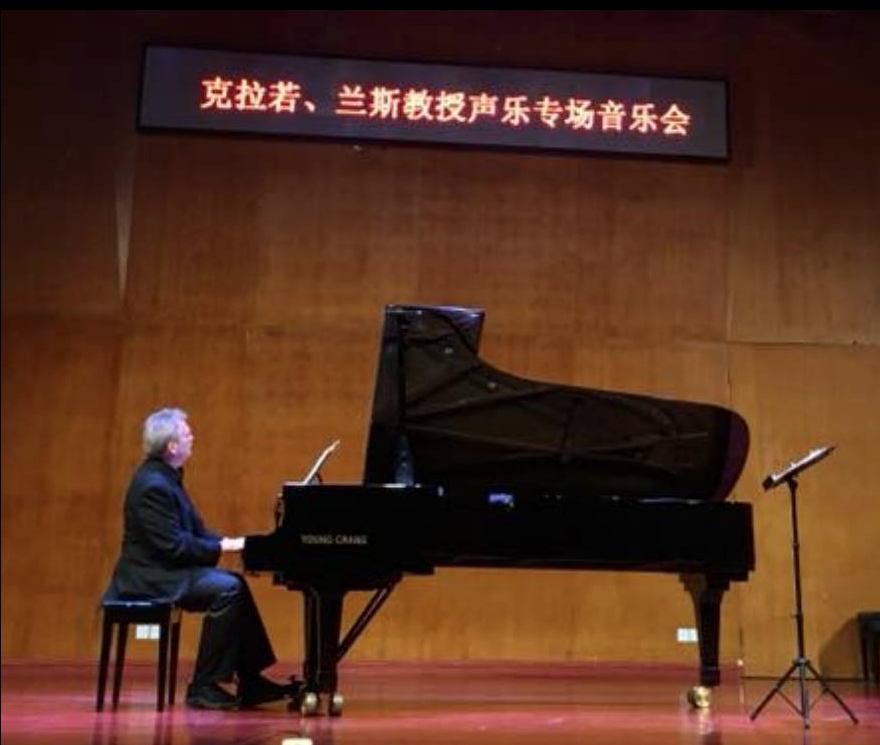 The range of Hulme’s musical interests has been a recurring subject in writing about his work. Gilles Quental described him as a “chameleon composer,” while Classical Voice North Carolina called him “a craftsman with a fine ear and a formidable technique.” Reviewing Leaps & Bounds, Hulme’s second portrait album, The Arts Desk noted the “full range of his work,” adding, “And range there certainly is.” Textura similarly described Hulme’s music as “chameleonic,” noting the eclecticism of Leaps & Bounds and its movement among orchestral, chamber, solo, electronic, and folk-influenced works. Reviews have also repeatedly noted the playful and often fun character of the music. Knowing the Score has noted the “wide range” of Hulme’s musical interests. Die Badische Neueste Nachrichten observed that his music “cannot be pigeon-holed into one compositional school,” while Die Rheinpfalz described the result as a “rich expressive texture,” noting Hulme’s “compositional eclecticism” and his movement between “‘serious’ and vernacular music,” together with “the most advanced structural and aural techniques.”
From the beginning, Lance Hulme pursued an eclectic musical career encompassing many different aspects of music-making. His first conducting appearance was the premiere of a piece written for his high school orchestra. Throughout his undergraduate study of classical composition, Lance Hulme played keyboards in various jazz and pop groups, wrote and directed musicals and stage music and transcribed and arranged music for other performers. An interim period followed where he was keyboardist for the jazz-fusion band Dreamscape and was associated with the then Minnesota Composers Forum.
After graduate study, Hulme went to Vienna on a Fulbright Grant and remained in Europe for eighteen years. He worked as a freelance musician, arranger, transcriber, teacher, and composer, and in Germany co-founded and directed Ensemble Surprise, in which he also played keyboards and conducted. Its motto, “700 years of new music,” reflected programs moving freely among early music, contemporary composition, jazz, popular music, world music and arrangements. During this period Hulme also worked extensively with electronic and computer music, becoming a longtime guest artist at the Zentrum für Kunst und Medientechnologie in Karlsruhe. His projects there included fixed media, installations, and mixed-media work involving German radio.
An offer to teach brought Hulme back to the United States in 2003, and he is now Associate Professor at North Carolina Central University, where he directs the music theory and composition program and teaches music technology. He is also involved with the NCCU FabLab. His teaching has ranged from composition, theory, and aural skills to recording, sound design, and computer music. He has written Basic Training in Music Skills: Music Theory Manual and Basic Training in Music Skills: Analysis Workbook, both published by Kendall Hunt, and has developed computer applications for music fundamentals and aural-skills instruction.
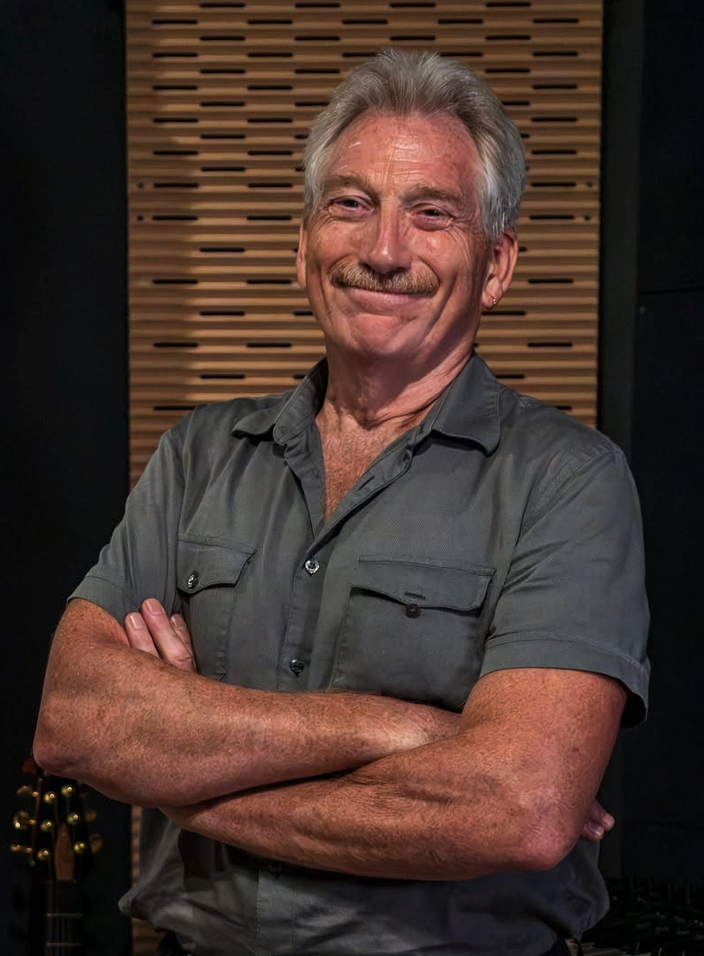 Hulme’s interests in technology have continued alongside his work as a composer. He was a teaching assistant in the Center for Studies in Music Technology at Yale and later became a guest artist at the Zentrum für Kunst und Medientechnologie. His computer-based compositions have expanded to interactive collaborations with choreographers and visual artists using real-time installations and interdisciplinary projects involving sound, visual media, and interactive technology. His latest projects involve immersive environments.
He is also the director of À la carte, a concert series he founded to present music without rigid divisions between genre, period, or style. Programs have ranged from early music and classical repertoire to contemporary composition, tango, jazz, and popular music, often bringing together established performers with younger musicians and composers. In this respect, À la carte continues the kind of active, hands-on musicianship that has characterized his career from the beginning.